Oxandrolone has been studied for recovery and lean tissue in specific patient groups. Reading trials alongside product decisions helps distinguish measured benefits from broader claims.
Oxandrolone’s research interest includes recovery after severe tissue loss. A pediatric burn trial followed growth and rehabilitation over several years. Its value lies in understanding that clinical setting, rather than transferring the findings to fat loss or physique goals in healthy adults. [X1]
Key points worth knowing
- Human pediatric burn trial — Lean-mass and strength gains were reported with exercise. Do not detach the result from severe burns and rehabilitation [X1]
- Human pediatric burn trial — Height-percentile and bone-mineral findings were reported. Not evidence for height enhancement in healthy children [X1]
- Product history — Historical weight-recovery and anticatabolic uses are documented. US Oxandrin approval was withdrawn in 2023 [X2]
Key findings and evidence
| Topic | Finding | Evidence | Limits |
|---|---|---|---|
| Rehabilitation | Lean-mass and strength gains were reported with exercise [X1] | Human pediatric burn trial | Do not detach the result from severe burns and rehabilitation |
| Growth | Height-percentile and bone-mineral findings were reported [X1] | Human pediatric burn trial | Not evidence for height enhancement in healthy children |
| Medical history | Historical weight-recovery and anticatabolic uses are documented [X2] | Product history | US Oxandrin approval was withdrawn in 2023 |
How are oxandrolone and Oxandrin related?
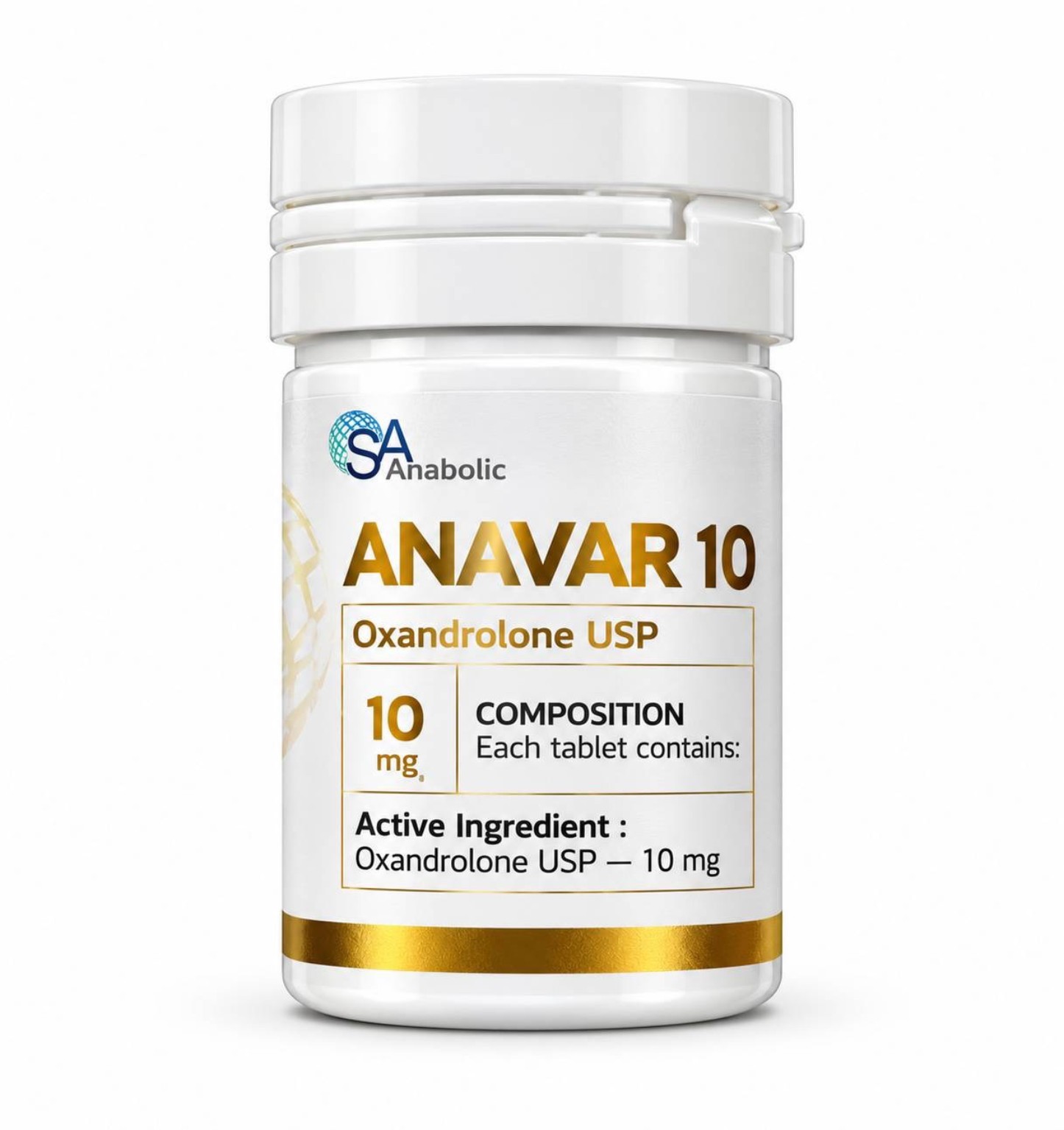
Oxandrolone is the substance; Oxandrin is a product name in US FDA documents. One product’s history does not establish quality or authorization of every product using the substance name. Source: FDA Federal Register — Oxandrin withdrawal determination, September 2023
What benefit has been studied?
A randomized trial in severely burned children reported recovery-related benefits and improvements in lean mass and strength when combined with exercise. Their illness and metabolism differ from healthy adults, so this cannot establish general fat-loss effectiveness. Source: Porro et al. — Oxandrolone after severe childhood burns, randomized trial
Why read the 2023 FDA decision?
FDA withdrew Oxandrin approval in June 2023 and later determined withdrawal from sale was for safety or effectiveness reasons, including liver and lipid concerns. This is a US assessment, not a determination of Thai registration. Source: FDA Federal Register — Oxandrin withdrawal determination, September 2023
How should “mild” or “beginner-friendly” claims be read?
These descriptions are not standardized clinical outcomes. Ask who was studied, what was measured and what follow-up was available. A trial and a regulatory decision answer different questions and need context.
Frequently asked questions
Can burn evidence be transferred directly to strength trainees?
No. Baseline illness and treatment goals differ.
Does “mild” mean no liver effects?
No. FDA documents describe liver concerns; informal labels cannot replace safety evidence.
Why can positive studies coexist with withdrawal information?
A study in a specific population and a product benefit–risk assessment have different scopes. Read their context and dates.