Older methandienone trials in weightlifters reported body-weight and performance changes. Weight gain is not identical to muscle gain; the measurement method matters.
Methandienone is useful to examine because older weightlifting trials measured more than body weight: they also assessed muscle dimensions and performance. Some small studies reported improvements. Reading the outcomes separately explains why an anabolic effect is not the same as a simple claim of normal muscle gain. [D1] [D2]
Key points worth knowing
- 13-person human trial — A 1975 crossover trial reported greater improvement than placebo. Historical, small sample; adverse effects also occurred [D2]
- 7-person human trial — Several measurements increased in the 1981 study. Added mass was not interpreted as normal muscle alone [D1]
- Human measurement study — Nitrogen/potassium measurements explored the nature of weight gain. A methodological strength, not another health benefit [D1]
Key findings and evidence
| Topic | Finding | Evidence | Limits |
|---|---|---|---|
| Performance | A 1975 crossover trial reported greater improvement than placebo [D2] | 13-person human trial | Historical, small sample; adverse effects also occurred |
| Weight and size | Several measurements increased in the 1981 study [D1] | 7-person human trial | Added mass was not interpreted as normal muscle alone |
| Measurement | Nitrogen/potassium measurements explored the nature of weight gain [D1] | Human measurement study | A methodological strength, not another health benefit |
Which names appear in the literature?
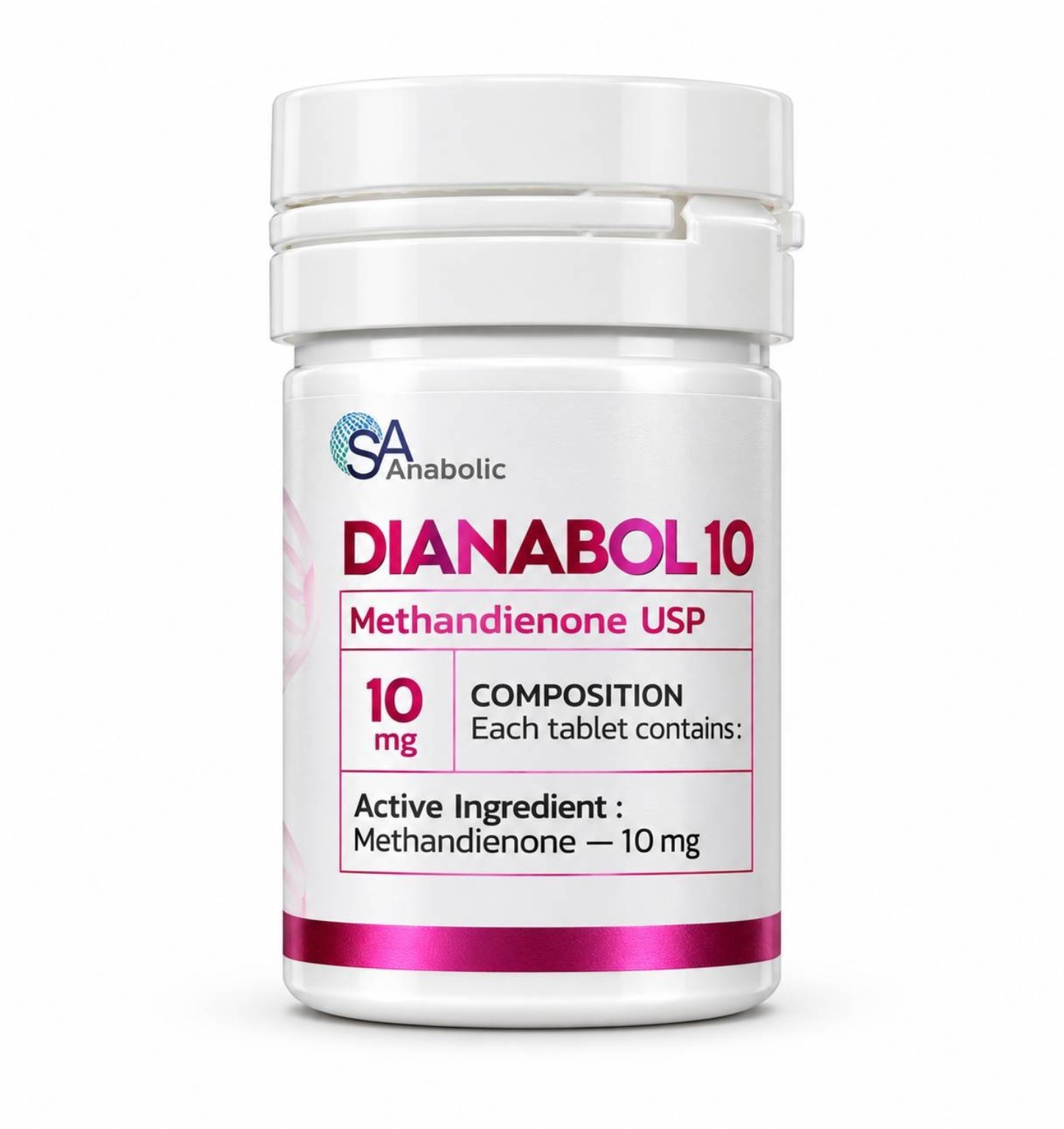
Methandienone and methandrostenolone refer to the same substance. Dianabol is a historical trade name. These terms help locate literature, not authenticate products. Source: NIH LiverTox — Androgenic steroids and liver injury
What did a training trial find?
A small 1981 crossover trial in seven weightlifters reported gains in weight, muscle size and some performance measures, alongside altered body nitrogen. The investigators noted that the composition of the gain was more complex than normal muscle tissue alone. Source: Hervey et al. — Methandienone, training and body composition, 1981
What about blood pressure?
Another trial in 13 weightlifters reported weight changes and increased systolic pressure. Small samples and limited follow-up cannot guarantee either an individual result or long-term safety. Source: Freed et al. — Methandienone crossover trial in weightlifters, 1975
How should results be compared?
Separate body weight, muscle size, strength and health outcomes. When an article describes a gain in kilograms, check whether it measured weight or body composition, how it measured it, and whether a comparison group was included.
Frequently asked questions
Are methandrostenolone and methandienone different?
They are names used for the same substance in the literature.
Is all added body weight muscle?
No such conclusion follows from weight alone; composition and fluid changes matter.
Do small trials establish long-term safety?
No. Longer follow-up and additional health-outcome data are needed.